At Ipsaa Preschool and Daycare, We Treat Music and Movement as Curriculum, Not a Break From It
Published: June 25, 2026
A two-year-old cannot sit still through a vocabulary lesson. Put on a song with a clap-along beat and the same child will repeat new words for twenty minutes without noticing they're learning anything. This is not a trick. It is how the early brain is wired, and it's the reason music and movement in early childhood education deserves more weight than most preschools give it.
Music and movement is often filed under enrichment, somewhere between dance class and finger painting, scheduled in for twenty minutes and treated as a break from the real curriculum. That's a misreading of what's actually happening in a well-run music and movement area in preschool. Rhythm and repetition are doing structural work: building the neural pathways for language, training the vestibular system that governs balance and coordination, and giving children a socially low-risk way to practice following instructions, taking turns, and reading a group. Parents comparing a preschool near me against another rarely ask about this directly, but it's one of the clearer signs of which best preschool near me options actually invest in the early years rather than rushing toward worksheets.
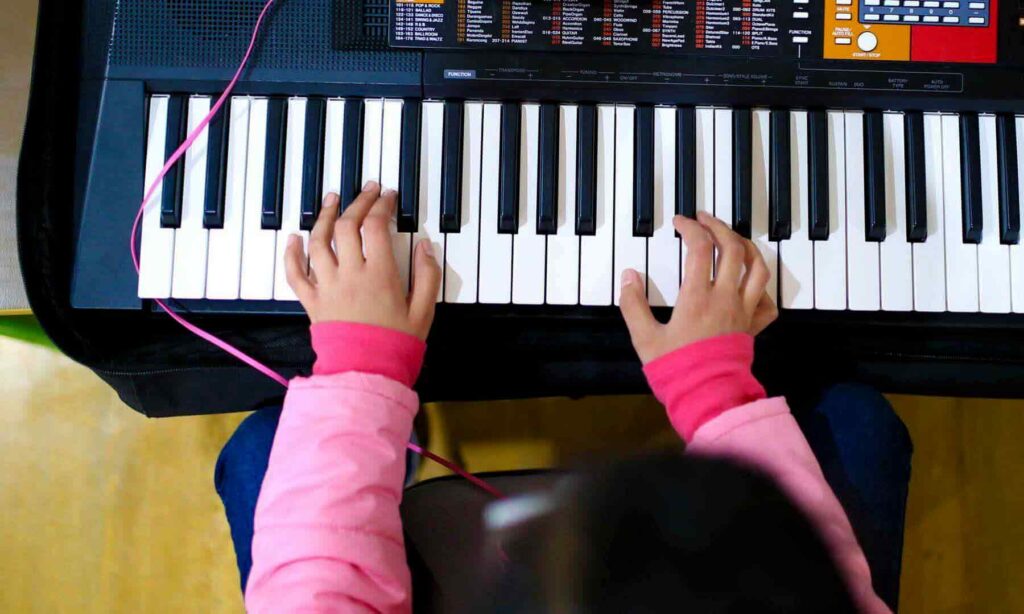
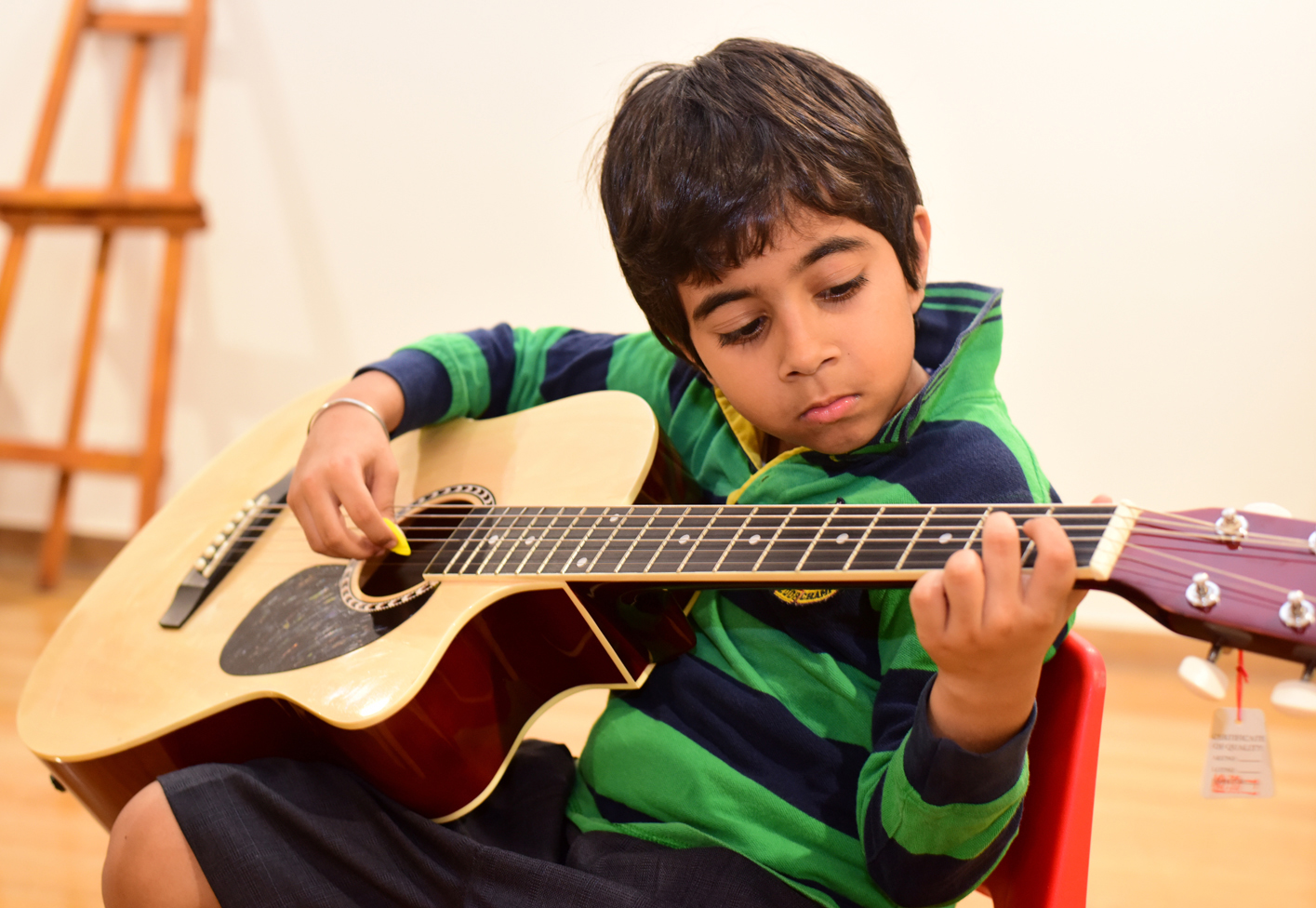
Consider what a single action song actually demands of a three-year-old. They have to listen for a cue, time a physical response to it, watch what the children next to them are doing, and adjust. That's auditory processing, motor planning, and social calibration happening at once, wrapped in something that feels like play because it is play. No worksheet produces that combination, and no preschool that treats music as filler time is getting the benefit.
The language piece deserves more attention than it gets. Songs repeat. Repetition is exactly what builds vocabulary retention in children under five, more reliably than a single explanation ever will. A child who hears the same rhyme thirty times has thirty exposures to syntax, rhyme, and word boundaries, absorbed without a single moment of being taught. This is one of the clearer answers to what is music in early childhood education actually for: it's a delivery system for language a child wouldn't sit still for any other way.
Movement carries its own weight, separate from the music. Crawling, marching, jumping, spinning, these cross the body's midline and build the kind of bilateral coordination that later shows up in handwriting and reading fluency. Pediatric occupational therapists have flagged this connection for years. It rarely makes it into conversations parents have about preschool curriculum, which tends to focus on letters and numbers because those are visible and gradeable.
There's also an emotional register to music that nothing else in a classroom quite reaches. A child who is overstimulated or shut down often responds to a slow, predictable song before they respond to a verbal request to calm down. Teachers who've spent real time running music and movement activities for 3 to 5 year olds know this instinctively. It's one of the few tools that works on a child who is too upset to be reasoned with.
The benefits of music and movement in early childhood show up early when intervention is needed too. Children flagged for speech delays or coordination concerns are often referred into structured music and movement work well before formal early intervention services begin, because rhythm-based activity reaches motor and language development through a single channel.
This is part of why the question shouldn't stop at finding any daycare near me. Whether the search is for a preschool in Gurgaon, a preschool in Mumbai, a daycare in Noida, or a daycare in Pune, the centers worth choosing are the ones where music and movement gets the same seriousness as letters and numbers.
At Ipsaa preschool, music and movement pedagogy isn't scheduled in as a break from the real curriculum. It runs through the day, in transitions, in group time, in the quiet ten minutes before nap, in every city the school operates in. The results don't show up on a report card. They show up later, in a child who can hold a rhythm, follow a multi-step instruction, and join a group activity without hesitating at the edge.
#MusicAndMovement #EarlyChildhoodEducation #Preschool #DaycareNearMe #Ipsaa
